

Safe And Effective Rodent Control For Los Angeles, Valley and beach properties
Understanding Your Rodent Problem
Rodents can invade a home or business quickly, causing serious disruption and damage. At GMC Pest Control in Los Angeles, we understand how stressful it is to hear scratching noises, discover droppings, or find chewed wires and insulation. Our experienced team responds fast with professional rodent control solutions and clear guidance to stop the problem before it gets worse. If you need immediate rodent control service in the Los Angeles area, call (323) 574-1183 today for fast, reliable help.
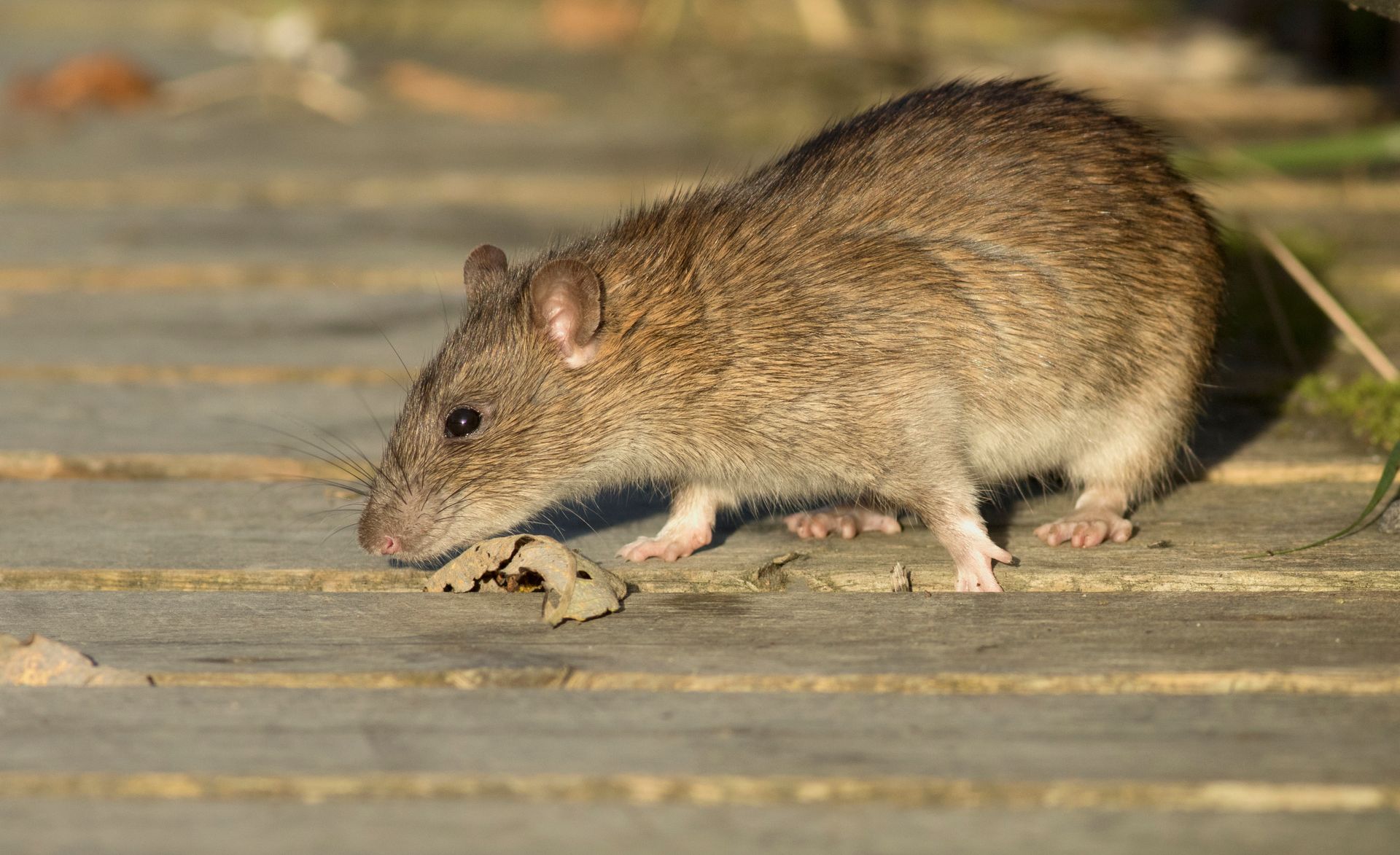
The brown rat (Rattus norvegicus), also commonly known as the Norway rat, sewer rat, or wharf rat, is one of the most widespread and successful rodents on Earth.
Key Characteristics
Physical Appearance: They have coarse, brownish or grayish-brown fur with a lighter underside. They are stocky with a blunt snout, small ears, and a scaly, furless tail that is typically shorter than their body.
Size: Adults typically measure 13 to 18 inches (33 to 45 cm) including the tail and weigh between 0.5 and 1 pound (200 to 500 g).
Abilities: Brown rats are excellent swimmers and burrowers, often digging complex tunnel systems for nesting and food storage. They are primarily nocturnal and possess acute senses of hearing, smell, and taste.
Diet: As omnivores, they eat almost anything, including grains, fruits, meat, and human food waste.
Origin and Global Spread
Despite the name "Norway rat," the species actually originated in northern China and Mongolia. It spread globally via human trade routes, arriving in Europe and North America in the 1700s as stowaways on ships. Today, they are found on every continent except Antarctica.
Reproduction and Lifespan
High Fertility: A single female can produce up to 5 to 7 litters per year, with an average of 7 to 12 pups per litter.
Rapid Maturity: Young rats reach sexual maturity in about 3 to 4 months.
Lifespan: In the wild, they usually live less than one year, though they can reach up to three years in exceptional or domestic conditions.
Relationship with Humans
Pest Status: They are often considered major pests because they damage property by gnawing through wood, wires, and pipes, and they can contaminate food supplies.
Disease Carriers: Brown rats can carry various pathogens, including those causing Weil's disease (leptospirosis), rat-bite fever, and salmonella.
Domestication: Selective breeding of the brown rat has led to the development of the fancy rat (kept as pets) and the laboratory rat, which is a vital model organism in biomedical research.
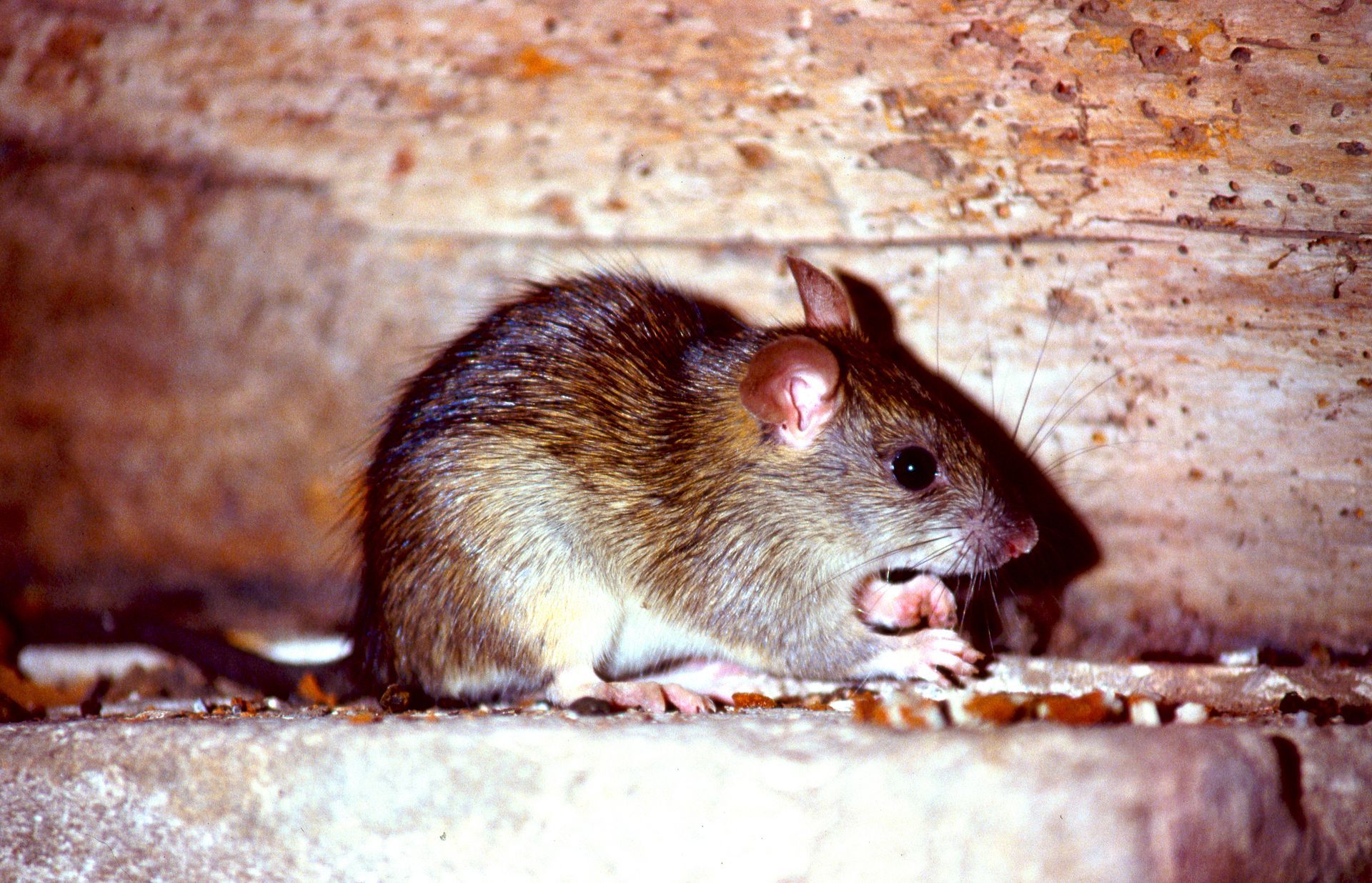
The black rat (Rattus rattus), also frequently called the roof rat, ship rat, or house rat, is a slender, long-tailed rodent found worldwide. While its name suggests a solid black color, these rats often appear in various shades ranging from light brown to charcoal gray, typically featuring a lighter cream or white underbelly.
Key Characteristics
To distinguish a black rat from the more common and aggressive brown (Norway) rat, look for these specific traits:
Tail Length: Their scaly, hairless tail is notably longer than the combined length of their head and body.
Ears & Snout: They possess large, thin ears that can reach the middle of their eyes when folded forward, and they have a pointed snout.
Agility: Known as "roof rats" because they are exceptional climbers. They prefer to nest in high places such as attics, false ceilings, and tree canopies.
Size: Generally smaller and more slender than the brown rat, weighing between 75 and 340 grams (approx. 3–12 oz).
Behavior and Diet
Black rats are nocturnal generalist omnivores.
Food Preferences: While they eat almost anything, they have a strong preference for fruits, nuts, grains, and cereals, similar to tree squirrels.
Social Structure: They live in family groups called colonies and are known for their rapid breeding; a single female can produce up to 5–8 litters per year.
Nesting: They use shredded materials like paper, cloth, and twigs to build spherical nests in quiet, hidden locations.
Health and Economic Impact
As a commensal rodent, the black rat lives in close association with humans, which leads to several risks:
Disease Vector: They are notorious for carrying pathogens such as the bubonic plague (via fleas), typhus, leptospirosis, and hantavirus.
Property Damage: Their constant need to gnaw can lead to ruined electrical wiring (causing fire hazards), damaged insulation, and contaminated food supplies.
Invasive Species: On many islands, they are considered one of the world's most destructive invasive species, often causing the extinction of native birds and reptiles by preying on eggs.
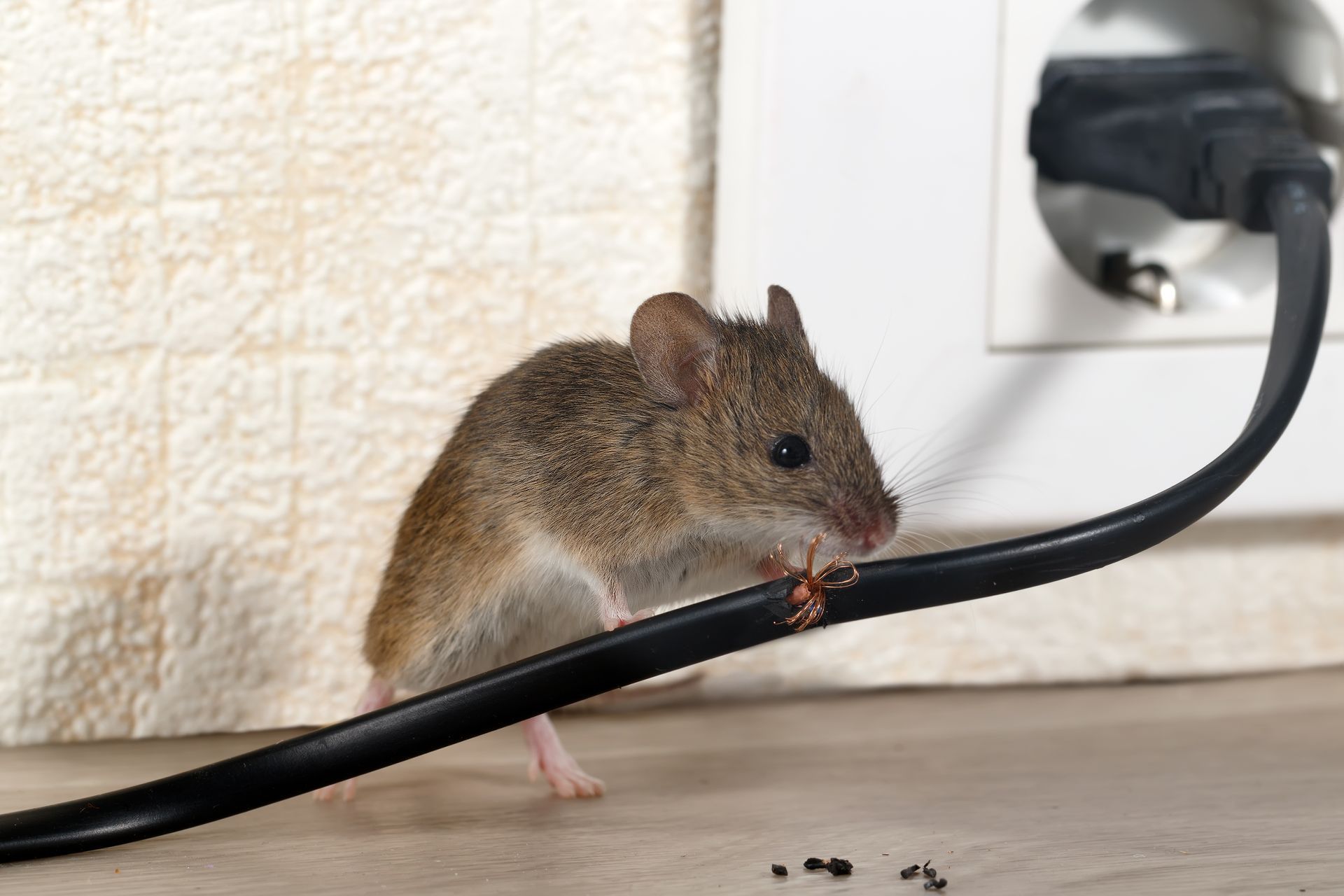
Apodemus is a genus of murid rodents, commonly known as field mice or wood mice. Found across Europe, Asia, and parts of North Africa, these rodents are recognized for their large eyes, sensitive whiskers, and long tails.
Key Characteristics
Physical Features: They typically have brown or grey fur with white underparts. A defining trait for many is a tail that is longer than their body.
Behavior: Most species are nocturnal and terrestrial. They are known to be agile leapers and, in some cases, skilled climbers.
Habitat: They inhabit a wide range of environments, including forests, grasslands, and cultivated farmlands.
Diet: As opportunistic feeders, they consume seeds, nuts, fruits, and insects. They often store food in underground burrows to survive winter.
Notable Species
The genus contains approximately 20 species, including:
Wood Mouse (Apodemus sylvaticus): One of the most common and widely studied species in Europe.
Yellow-necked Mouse (Apodemus flavicollis): Distinguished by a band of yellow fur around its neck; it is slightly larger and more arboreal than the wood mouse.
Striped Field Mouse (Apodemus agrarius): Easily identified by a prominent black stripe running down its back.
Large Japanese Field Mouse (Apodemus speciosus): A nocturnal species endemic to Japan.
Interaction with Humans
While they play a vital role in ecosystems as a food source for predators and by aiding seed dispersal, they are sometimes considered pests when they raid food stores or damage crops. Some species, like the wood mouse and yellow-necked mouse, are also known reservoirs for diseases such as hantaviruses.
What Makes Rodents Hard to Eliminate?
They breed quickly, hide well, and adapt fast. Missing even one entry point can restart the entire infestation.
Rodents Are More Than a Nuisance
Rodents damage insulation, chew wires, contaminate food, and trigger allergies. You may notice scratching sounds, chewed bags, stains, or foul odors. These small signs point to a much bigger issue behind your walls, attic, or crawlspace. The longer rodents stay, the more costly the damage becomes.
The Hidden Dangers Get Worse Over Time
Each day rodents stay inside, the infestation multiplies. They can chew electrical wiring and raise the risk of fires. They spread bacteria across countertops and storage areas. They leave droppings everywhere, forcing you to constantly clean. You may start losing sleep due to scratching noises at night. Their presence can even scare kids and pets. Homeowners often feel embarrassed, frustrated, and overwhelmed because nothing they try seems to work.
GMC Pest Control Eliminates Rodents for Good
With 40 years of experience, GMC Pest Control brings unmatched expertise to rodent control. We specialize in removing rats and mice throughout Southern California, serving a 30-mile radius around Los Angeles. Our team uses detailed inspections, safe traps, exclusion work, and follow-through treatments to create a long-term rodent-free environment. We partner with our customers and guide them on simple steps they can take to keep rodents away for good.
Inspection:
We check attics, crawlspaces, garages, and exterior areas to locate nests, entry points, and activity.
Trapping and Removal:
We set effective traps to eliminate active rodents quickly.
Exclusion:
We seal gaps, cracks, and openings to block future intrusions.
Sanitation:
We clean affected areas and remove contaminated material when needed.
Follow-Through:
We monitor progress and ensure every rodent is gone.
Customer Guidance:
We show you practical steps to reduce shelter and food sources around your home.
Over 40 Years of Experience:
We have more rodent knowledge than 99% of local providers.
Continuous Training:
We stay updated on the best methods and tools.
We Go the Extra Mile:
Our team is thorough, detailed, and committed to finishing the job.
Team-Based Approach:
We work with customers to create long-term solutions.
Fast Response:
Along with our regular service, we handle Same-Day and Emergencies.
Common Rodents We Treat
- Roof rats
- Norway rats
- House mice
- Field mice
Signs You Need Professional Rodent Control
- Scratching sounds in walls or attic
- Droppings along baseboards or cabinets
- Chewed wires, insulation, or food packaging
- Nesting material behind appliances
- Strong musty odors
How to Prevent Rodent Problems
- Keep food sealed.
- Fix leaks promptly.
- Trim trees near the roofline
- Remove clutter
- Seal small openings
- Store pet food properly.
- Maintain clean outdoor areas
Fast Rodent Relief Starts Today
Rodents can take over your home, but they don’t have to stay. GMC Pest Control in Los Angeles, delivers proven rodent solutions backed by decades of experience and dependable follow-through. Call (323) 574-1183 to schedule your inspection and start protecting your home today.