

Expert Pest Control Services for a Pest-Free Home in Los Angeles, Valley and beach properties
GMC Pest Control in Los Angeles understands how quickly insects can take over a home or business. Many people try sprays and traps, only to see pests return, creating ongoing frustration and stress. That’s where our expertise makes the difference. Our experienced team steps in with proven, professional pest control solutions designed to eliminate infestations and provide long-term protection you can rely on. Call us today at (323) 574 1183 for fast relief and a long-term plan that keeps insects out.
Insects spread quickly and often hide in walls, crawl spaces, and hard-to-reach cracks as infestations grow. Left untreated, they can damage property and pose health risks to your family or employees. As the problem escalates, so do the costs and the stress. That’s why we act quickly and manage every service from start to finish—so you feel protected, informed, and supported from the first visit through the final inspection.
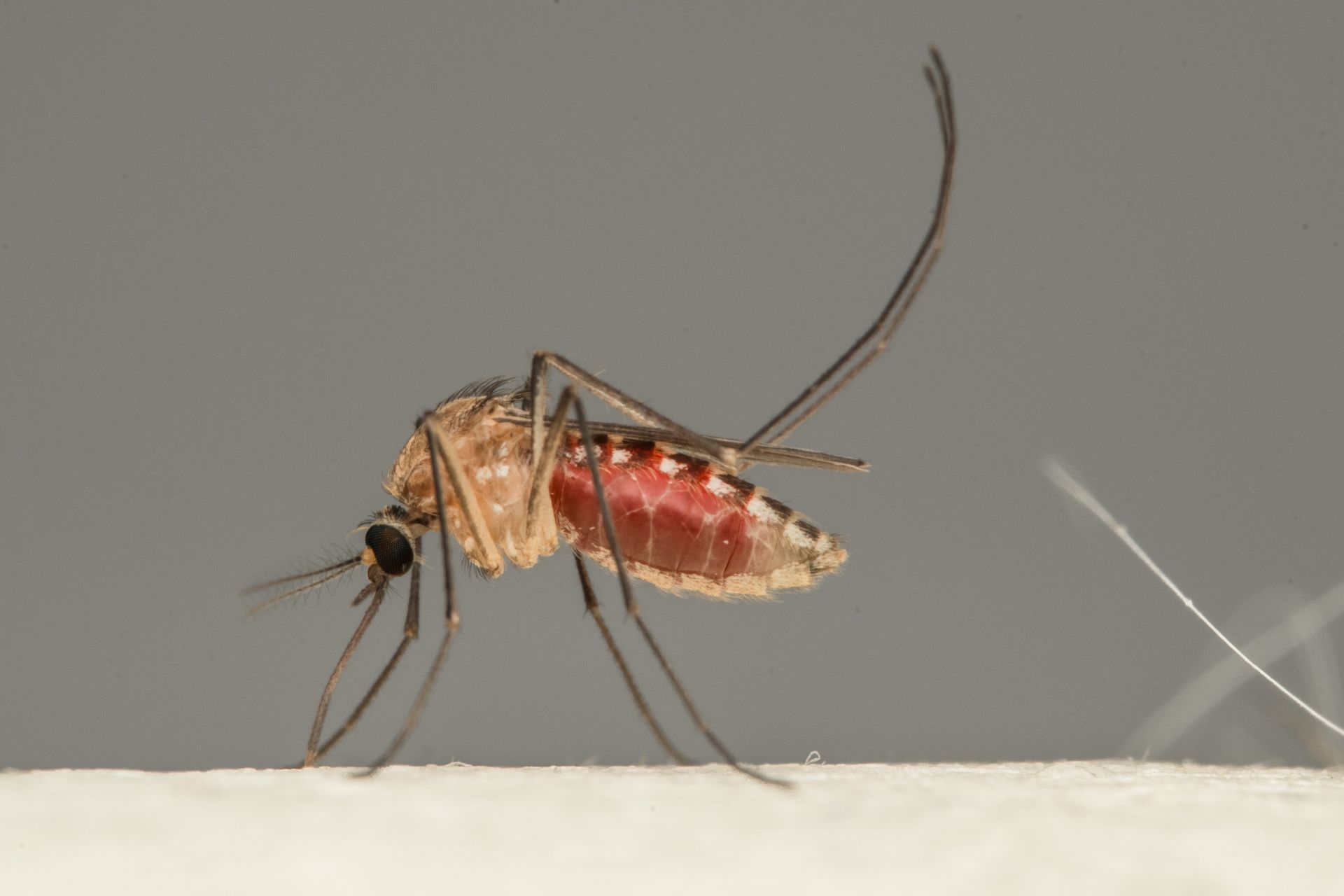
Mosquitoes are small, flying insects, known as Diptera, with over 3,700 species worldwide that act as significant disease vectors. Only female mosquitoes bite humans and animals, using a plercing-sucking proboscis to consume blood for egg production, while both sexes feed on nectar. They are identified by their slender bodies, one pair of wings, and, for females, an itchy bite that can transmit dangerous pathogens.
Lifespan & Lifecycle: Adults typically live 2-3 weeks (females) or up to 10 days (males). Their lifecycle includes four stages: egg, larva, pupa, and adult, with larvae developing in standing water.
All service treatments begin with a thorough inspection of the property and pest & rodent infestation. GMC will design a scope of service that tailors to each customers' need. At GMC, we know there is no one size fits all. Every structure and pest & rodent infestations are unique.
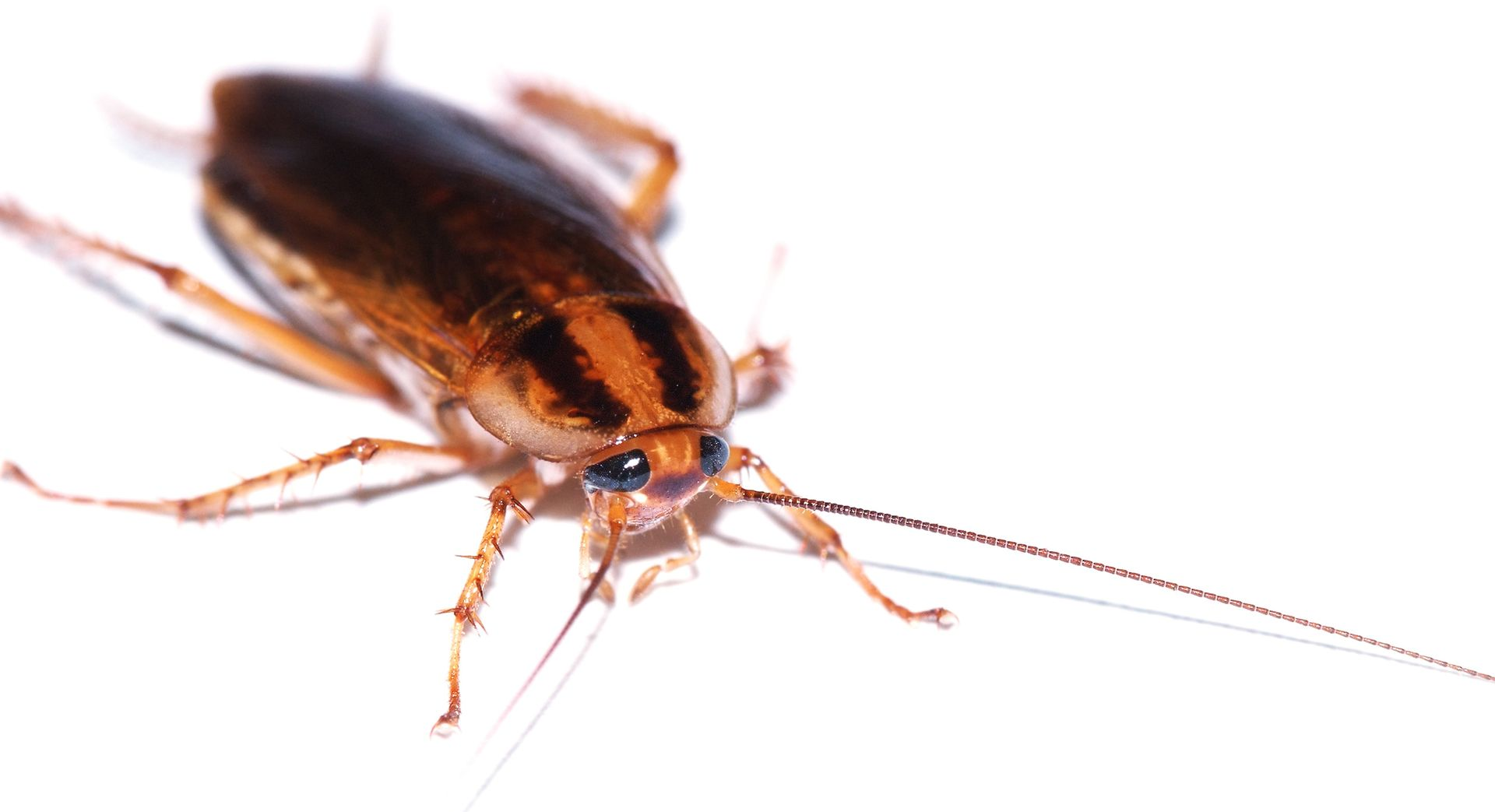
The German cockroach (Blattella germanica) is a small, highly resilient insect and the most common cockroach species found in homes and commercial buildings worldwide. Unlike many other roaches, this species is entirely dependent on human environments and is rarely found in the wild.
Key Identification Features
Appearance: Adults are typically 1/2 to 5/8 inches long and have a light brown to tan color.
Distinct Markings: Their most identifying feature is two dark parallel stripes (often called "racing stripes") located on the pronotum, the shield-like plate just behind the head.
Wings & Movement: Although they have fully developed wings, they rarely fly, preferring to run rapidly when disturbed.
Nymphs (Juveniles): Smaller and darker (almost black), nymphs lack wings and feature a pale tan spot or stripe down their middle.
Behavior and Habitat
Indoor Preference: They thrive in warm, humid areas with easy access to food and water, most commonly in kitchens and bathrooms.
Nocturnal Activity: They are primarily active at night. Seeing them during the day often indicates a severe infestation due to overcrowding in their hiding spots.
Scavenger Diet: These omnivores eat almost anything, including food crumbs, grease, soap, glue, toothpaste, and even book bindings.
Hitchhikers: Infestations usually start when roaches or their egg cases are "hitchhiked" into a building via grocery bags, cardboard boxes, luggage, or secondhand appliances.
Health Risks
German cockroaches are significant public health threats because they:
Spread Pathogens: They carry bacteria (like Salmonella and E. coli), parasitic worms, and other pathogens on their legs and bodies, contaminating food and surfaces.
Trigger Allergies: Their feces, saliva, and shed skins contain potent allergens that can cause skin rashes, watery eyes, and severe asthma attacks, particularly in children.
Management and Control
Because of their rapid reproduction—one female can lead to thousands of descendants in a single year—professional treatment is often necessary.
Sanitation: Eliminate the "survival triangle" of food, water, and shelter by cleaning crumbs, fixing leaks, and removing clutter.
Baiting: Gel baits are often the most effective chemical control as roaches take the poison back to their hiding spots.
IGRs: Insect Growth Regulators are used to stop the roaches from reaching sexual maturity, breaking the reproductive cycle.
All service treatments begin with a thorough inspection of the property and pest & rodent infestation. GMC will design a scope of service that tailors to each customers' need. At GMC, we know there is no one size fits all. Every structure and pest & rodent infestations are unique.
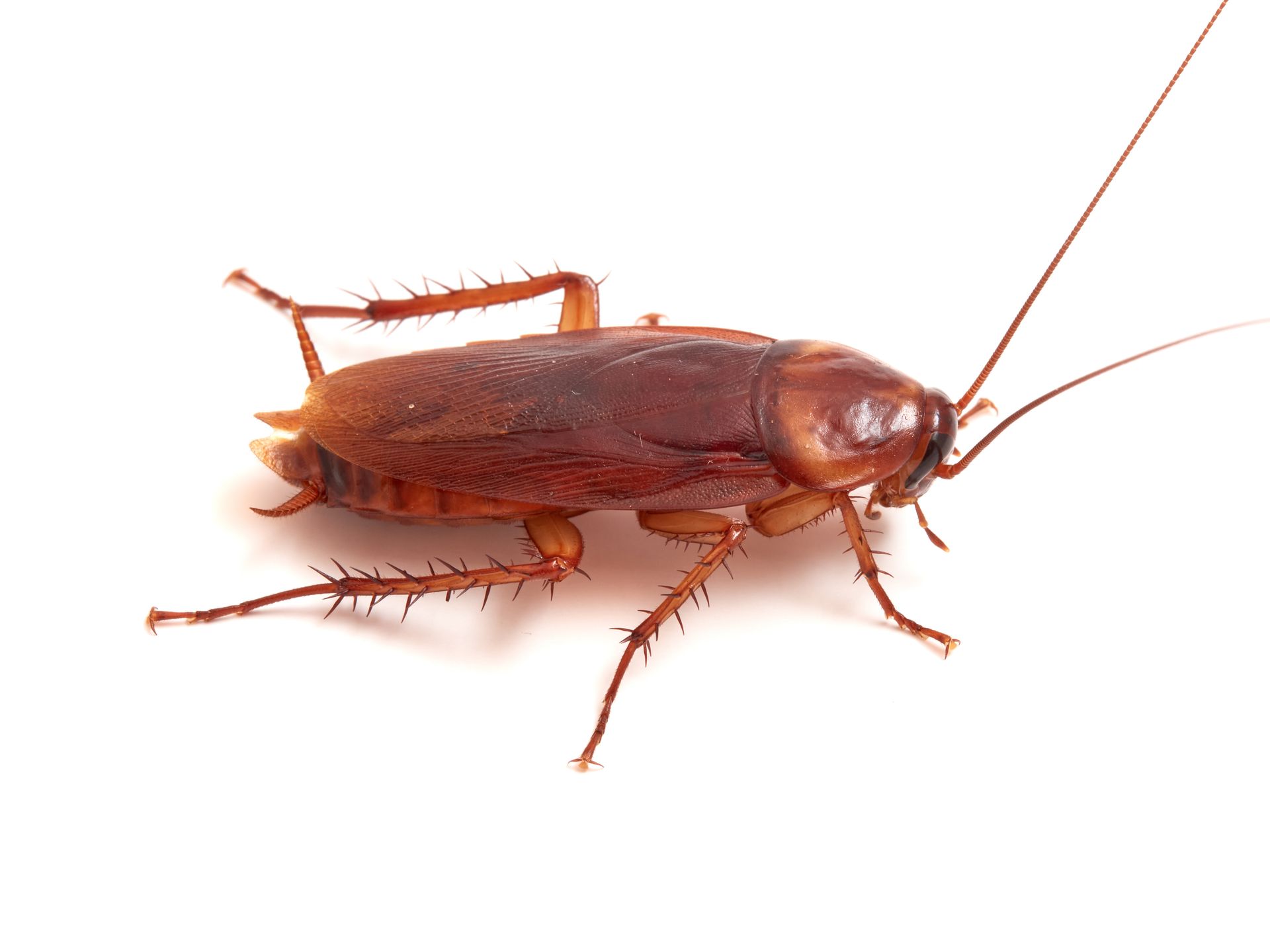
The American cockroach (Periplaneta americana) is the largest species of common house-infesting cockroach, often referred to as a "water bug" or "palmetto bug" in various regions. Despite its name, this species is not native to North America; it is believed to have been introduced to the Americas from Africa in the 1600s via trade ships.
Size: Adults are large, usually 1.5 to 2 inches (30-50 mm) in length.
Color: Reddish-brown or mahogany with a distinct yellow-brown band around the edge of the pronotum (the shield behind the head).
Wings: Both males and females have wings that extend beyond the abdomen, allowing them to fly or glide, especially when temperatures are above 85°F (29℃).
Nymphs: Younger cockroaches (nymphs) are wingless, gray-brown, and resemble smaller versions of the adults.
Speed: They are among the fastest-running insects, capable of running up to 3.4 miles per hour.
All service treatments begin with a thorough inspection of the property and pest & rodent infestation. GMC will design a scope of service that tailors to each customers' need. At GMC, we know there is no one size fits all. Every structure and pest & rodent infestations are unique.
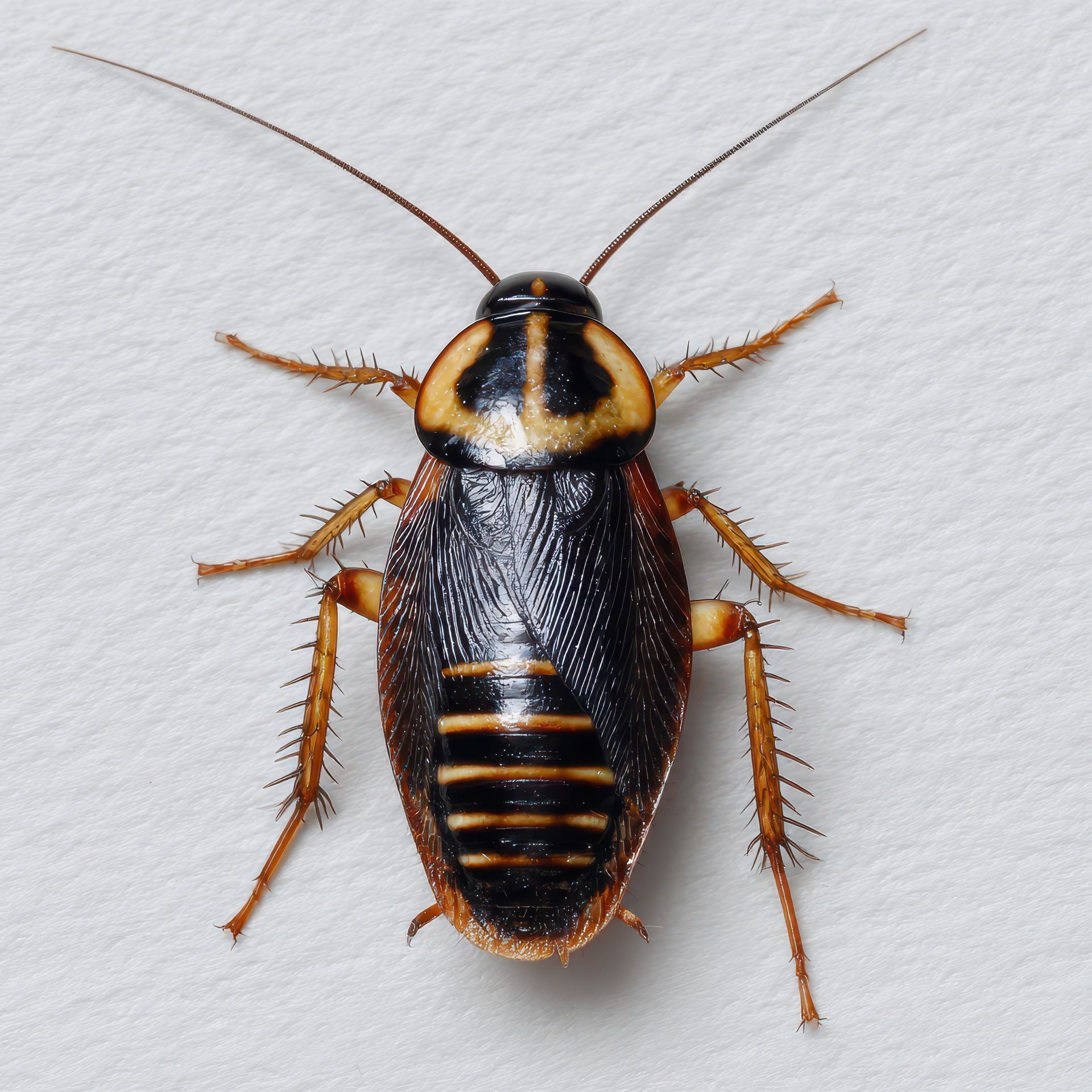
The Oriental cockroach (Blatta orientalis), often referred to as a "water bug" or "black beetle cockroach," is a common household pest known for its love of damp, cool environments. Although they are found worldwide, they are not native to the Orient; they are believed to have originated in Africa or the area around the Black and Caspian Seas.
Appearance: They are shiny, dark brown to nearly black.
Size: Adults are roughly 1 to 1.25 inches long.
Wings: Both sexes have wings but are unable to fly.
Males: Have wings that cover about three-quarters of their abdomen.
Females: Have only small, vestigial wing pads and a broader, heavier body.
Distinguishing Feature: They are often found at or below ground level because they are not strong climbers.
Environment: They thrive in cool, damp, and dark areas. Indoors, they prefer basements, crawl spaces, and areas around drains, pipes, and toilets.
Outside: They are found under mulch, in leaf litter, under stones, in sewers, and near garbage cans.
Behavior: They are primarily nocturnal, slow-moving (sluggish) compared to other roaches, and often gather in large numbers.
All service treatments begin with a thorough inspection of the property and pest & rodent infestation. GMC will design a scope of service that tailors to each customers' need. At GMC, we know there is no one size fits all. Every structure and pest & rodent infestations are unique.
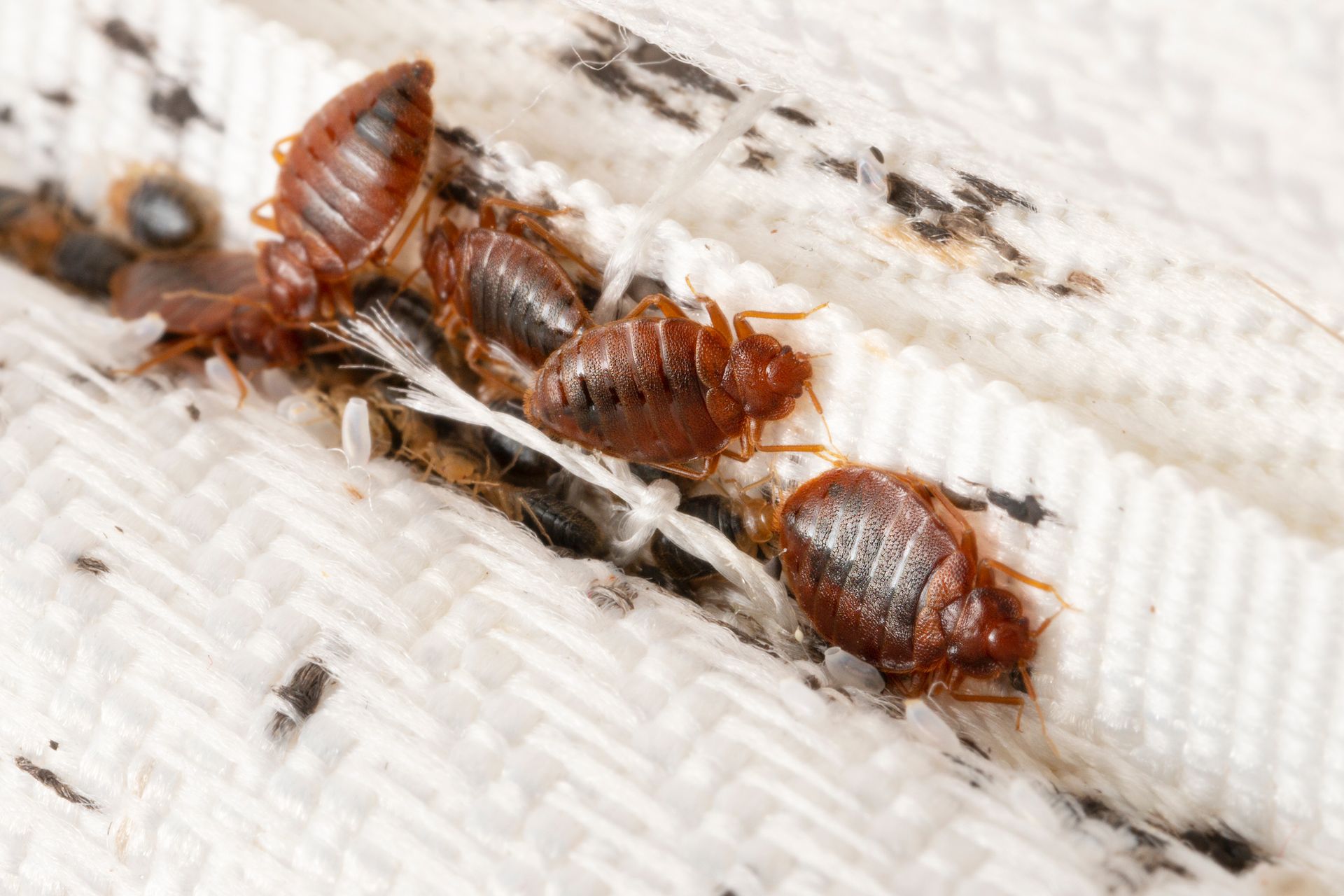
Bed bugs are small, wingless, parasitic insects that feed exclusively on the blood of humans and warm-blooded animals. While they are not known to transmit diseases, they can cause significant psychological distress, sleep loss, and allergic skin reactions.
Identification
Appearance: Adults are reddish-brown, oval-shaped, and roughly the size of an apple seed (4–7 mm). Nymphs (immature bugs) are smaller and translucent or pale yellow.
Hiding Spots: They are nocturnal and hide in tight cracks during the day. Look in mattress seams, box springs, headboards, behind baseboards, and inside electrical outlets.
Telltale Signs: Look for small, dark fecal spots (digested blood) on sheets, rusty blood smears, and translucent "shells" (shed exoskeletons).
Treatment and Control
Getting rid of bed bugs often requires an Integrated Pest Management (IPM) approach, combining chemical and non-chemical methods.
Heat Treatment: This is one of the most effective methods. Laundering items in hot water (120°F+) and drying them on the highest heat setting for at least 30 minutes kills all life stages.
Vacuuming: Daily vacuuming of infested areas can reduce populations, but vacuum bags must be immediately sealed and disposed of in an outdoor bin.
Encasements: Use certified bed bug-proof mattress and box spring covers to trap existing bugs inside and prevent new ones from hiding in the bed.
Professional Help: Because bed bugs have developed resistance to many over-the-counter pesticides, hiring a licensed professional for heat or chemical treatment is highly recommended.
Prevention Tips
Travel: Use luggage racks instead of placing bags on the floor or bed in hotels. Inspect the bed seams immediately upon arrival.
Second-hand Items: Thoroughly inspect used furniture, especially beds or couches, before bringing them into your home.
Clutter: Reducing clutter in the bedroom limits the number of hiding spots available to the bugs.
All service treatments begin with a thorough inspection of the property and pest & rodent infestation. GMC will design a scope of service that tailors to each customers' need. At GMC, we know there is no one size fits all. Every structure and pest & rodent infestations are unique.
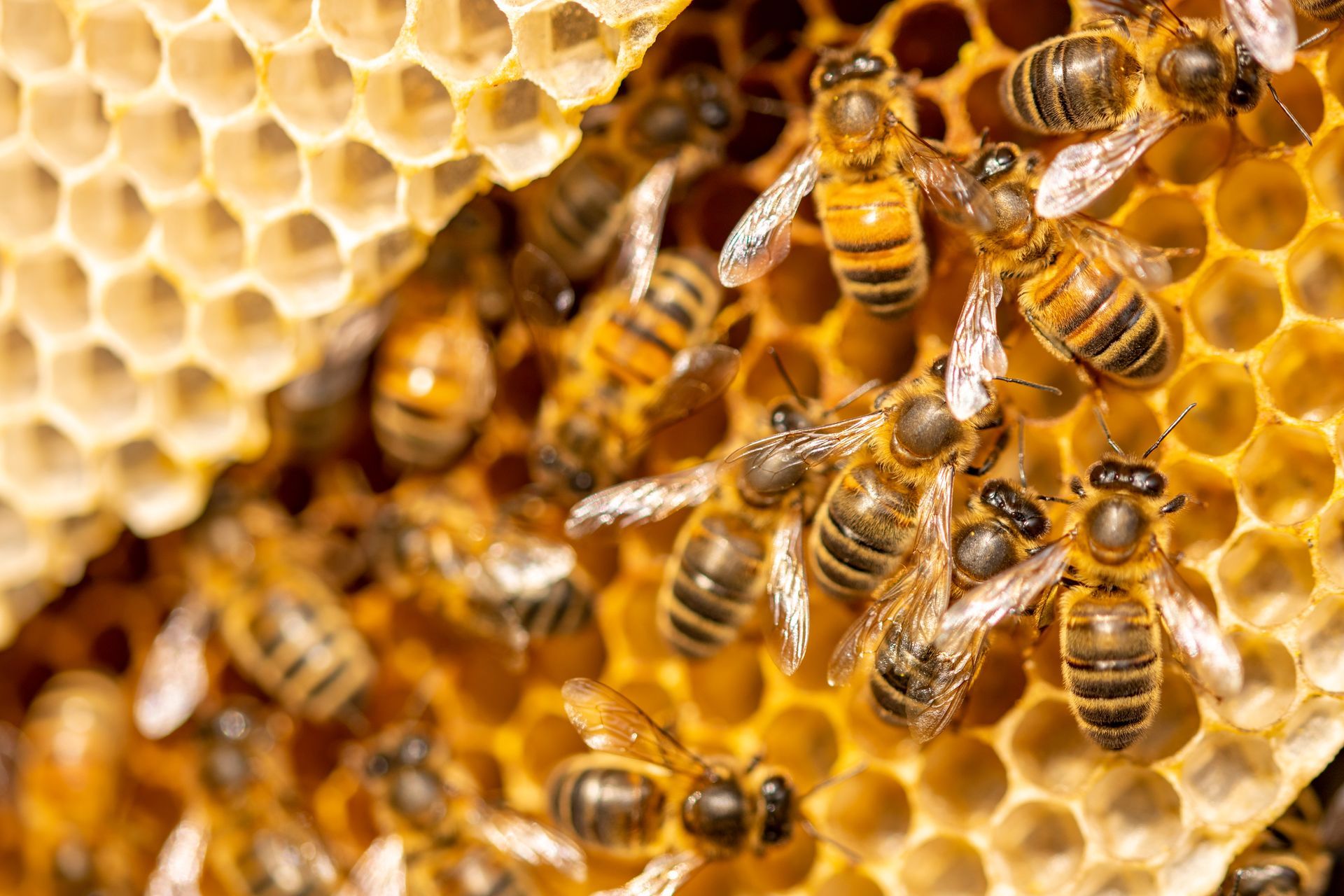
Bees are essential winged pollinators, numbering over 20,000 species, that sustain ecosystems and agriculture by foraging for nectar and pollen. They live in, or build, complex, often hexagonal, waxy nests (hives) to raise young and store honey. Threats include pesticide use, habitat loss, and climate change.
Types of Bees: While honey bees are famous for living in large, social colonies (up to 50,000+), over 90% of bee species-like carpenter and mason bees, are actually solitary.
Pollination Role: Bees pollinate approximately 75% of global food crops, including fruits, vegetables, and nuts.
Hive Structure: A social hive consists of one queen (lays eggs), female workers (forage, clean, protect), and male drones (mate with the queen).
Life Span: Worker bees live for about 6 weeks to several months, while queen bees can live for several years.
Baby Bees: Larvae, sometimes referred to as "brood" or simply baby bees, are raised in individual wax cells and fed by worker bees.
Anatomy: Bees have three body parts, six legs, four wings, and five eyes (two compound, three simple).
Stingers: Only female bees have stingers (modified egg-laying organs). Worker honey bees die after stinging because their barbed stinger pulls out, while queens do not.
Communication: Honey bees communicate the location of food sources through complex,,, "dances".
Speed: They can fly up to 20 mph and their wings beat over 230 times per second.
All service treatments begin with a thorough inspection of the property and pest & rodent infestation. GMC will design a scope of service that tailors to each customers' need. At GMC, we know there is no one size fits all. Every structure and pest & rodent infestations are unique.
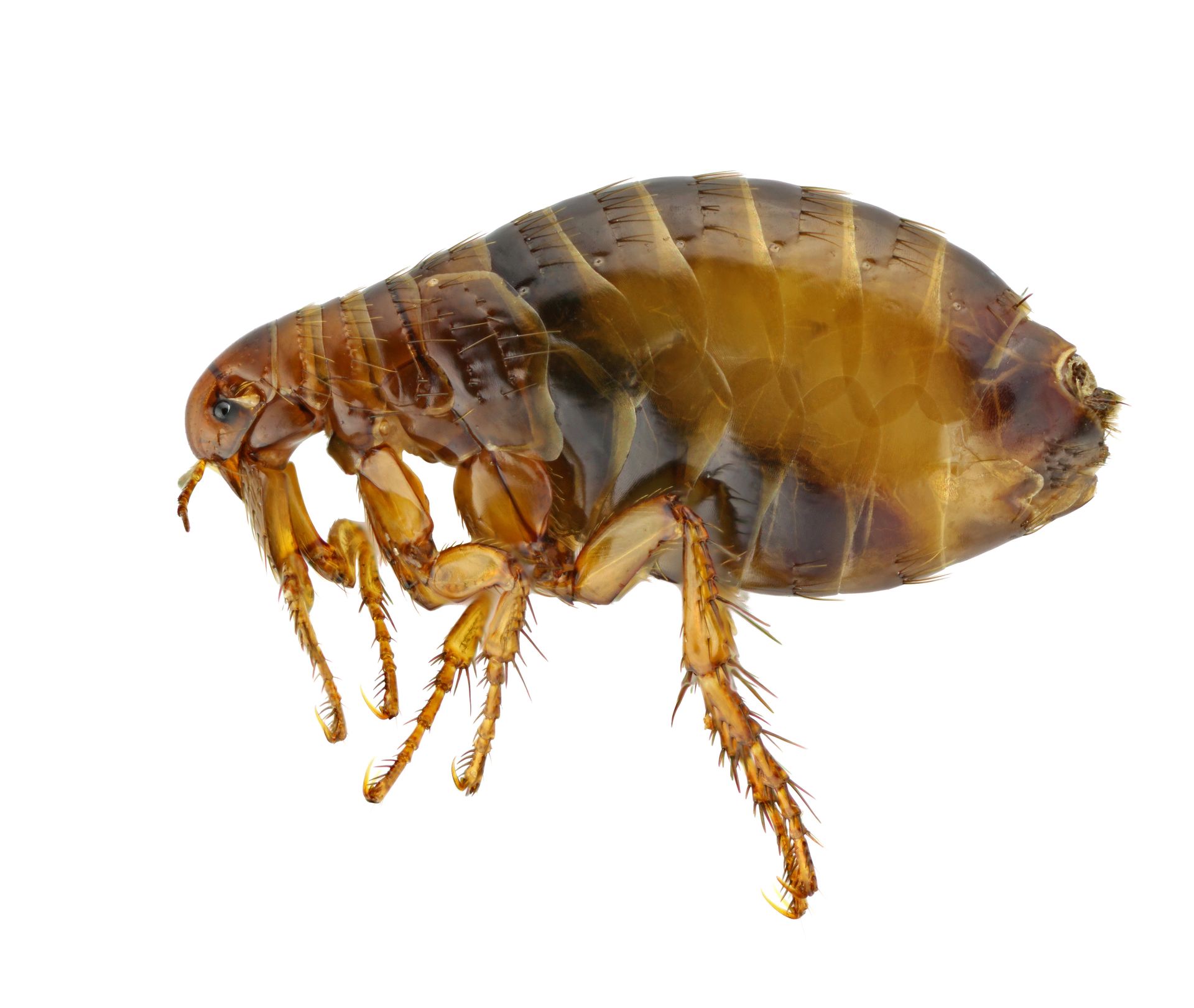
Fleas are small (1/8 inch), wingless, reddish-brown parasites that feed on the blood of animals and humans, causing intense itching, allergic dermatitis, and transmitting tapeworms. They thrive in warm, humid environments, and a single female can lay 40-50 eggs daily, leading to rapid infestations in carpets and bedding. The four-stage life cycle (egg, larva, pupa, adult) can last from weeks to months.
All service treatments begin with a thorough inspection of the property and pest & rodent infestation. GMC will design a scope of service that tailors to each customers' need. At GMC, we know there is no one size fits all. Every structure and pest & rodent infestations are unique.
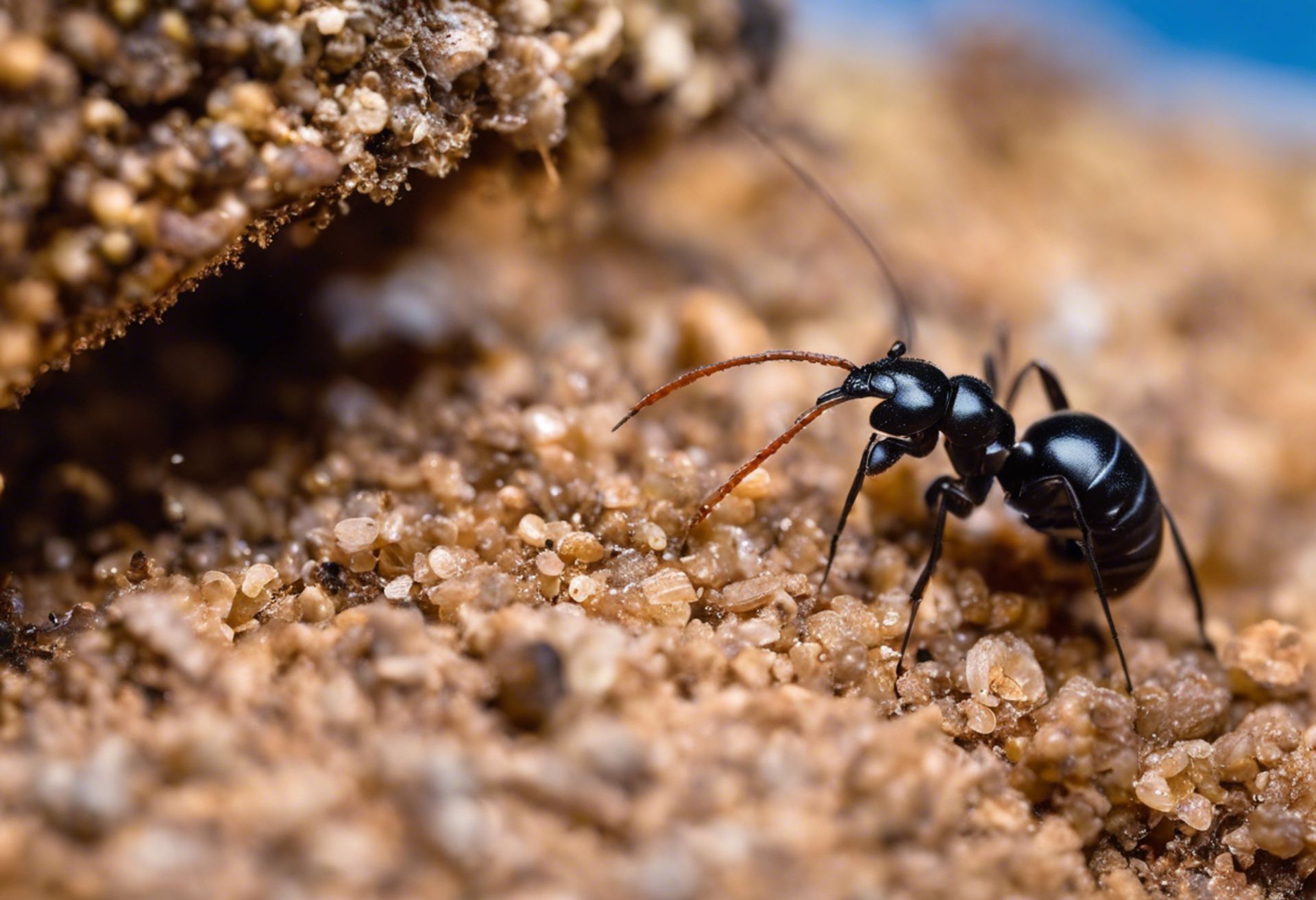
The Argentine ant (Linepithema humile) is a highly successful, globally invasive species known for forming massive, interconnected, and non-aggressive supercolonies. Originally native to the Paraná River drainage in South America (Argentina, Uruguay, Paraguay, and southern Brazil), they have spread to Mediterranean climates worldwide, including California, South Africa, Japan, and Europe. They are considered one of the world's 100 worst invasive species due to their ecological impact and role as a major agricultural and household pest.
Appearance: Workers are small, 2-3 mm (1/16") long, and light to dark brown.
Identification Key: When crushed, Argentine ants emit a musty, stale odor, which distinguishes them from the fruity/rotten-coconut smell of the common "odorous house ant"
Behavioral Traits: They are known for forming strong, consistent, and long foraging trails.
Diet: They are omnivorous and opportunistic, but they have a strong preference for sugary foods, especially honeydew produced by insects like aphids and scale.
Reproduction: Unlike many ant species, queens do not have mating flights; they mate within the nest. Colonies are polygynous (many queens) and polydomous (many nests), which allows them to spread rapidly through "budding".
All service treatments begin with a thorough inspection of the property and pest & rodent infestation. GMC will design a scope of service that tailors to each customers' need. At GMC, we know there is no one size fits all. Every structure and pest & rodent infestations are unique.
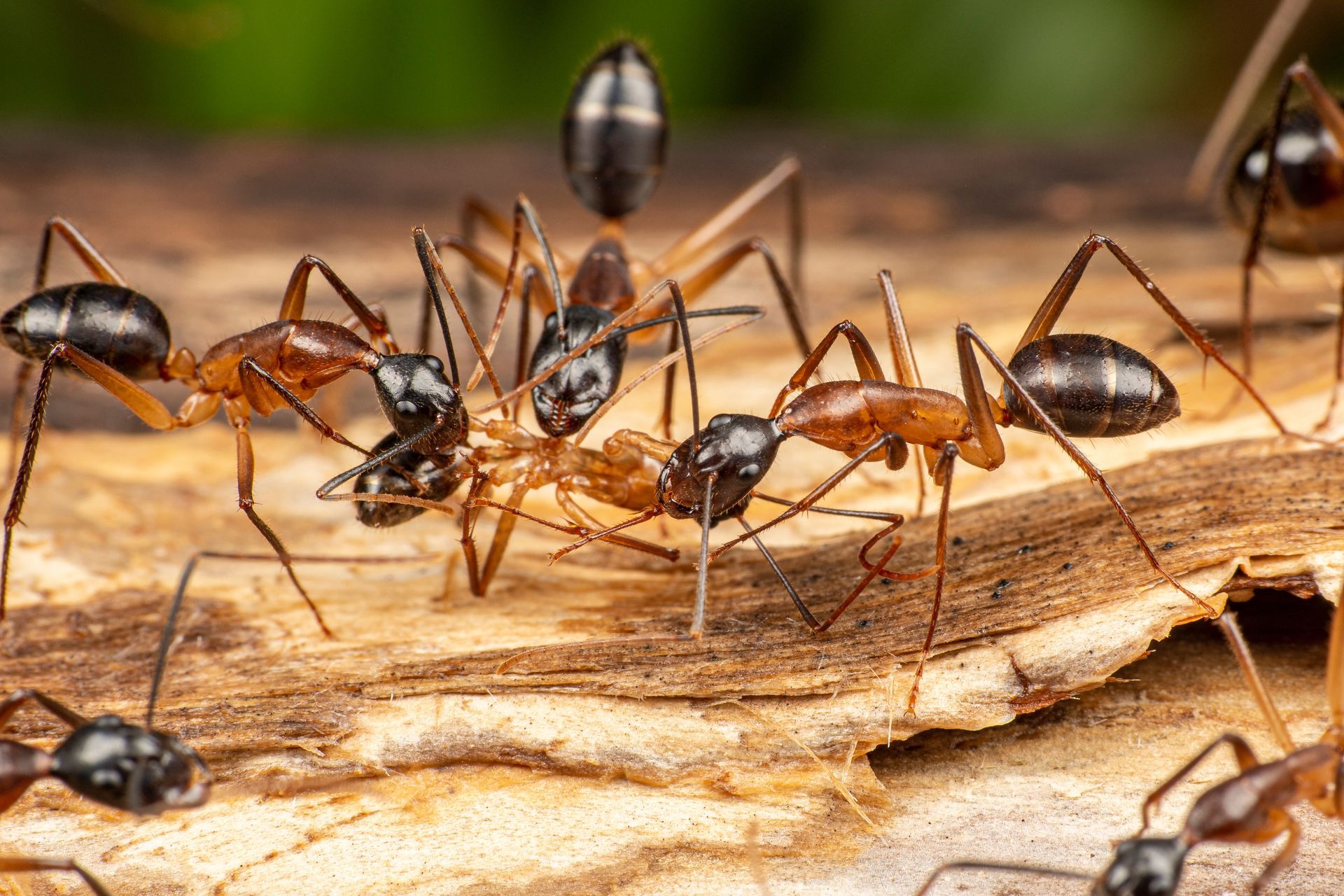
Carpenter ants (genus Camponotus) are large, social insects known for excavating wood to create nests, which can lead to significant structural damage in homes. Unlike termites, they do not eat wood for nutrients; they consume protein, fats, and sugars, often foraging at night.
Size: They are among the largest ants in North America, with workers ranging from 1/4 to 1/2 inch (6-13 mm) and queens up to 3/4 inch (20 mm).
Appearance: They are usually black, but some species are red and black.
Key Features: They have a distinctly constricted "waist" (one node), elbowed antennae, and a smooth, evenly rounded thorax when viewed from the side.
Look-alikes: They are often confused with termites, but carpenter ants have pinched waists and bent antennae, while termites have straight bodies and straight antennae.
Natural Habitat: They usually nest in dead trees, stumps, logs, and moist, decaying wood.
Indoor Nesting: They prefer moist or rotted wood in homes, such as around sinks, bathtubs, dishwashers, roofs, and window frames.
All service treatments begin with a thorough inspection of the property and pest & rodent infestation. GMC will design a scope of service that tailors to each customers' need. At GMC, we know there is no one size fits all. Every structure and pest & rodent infestations are unique.
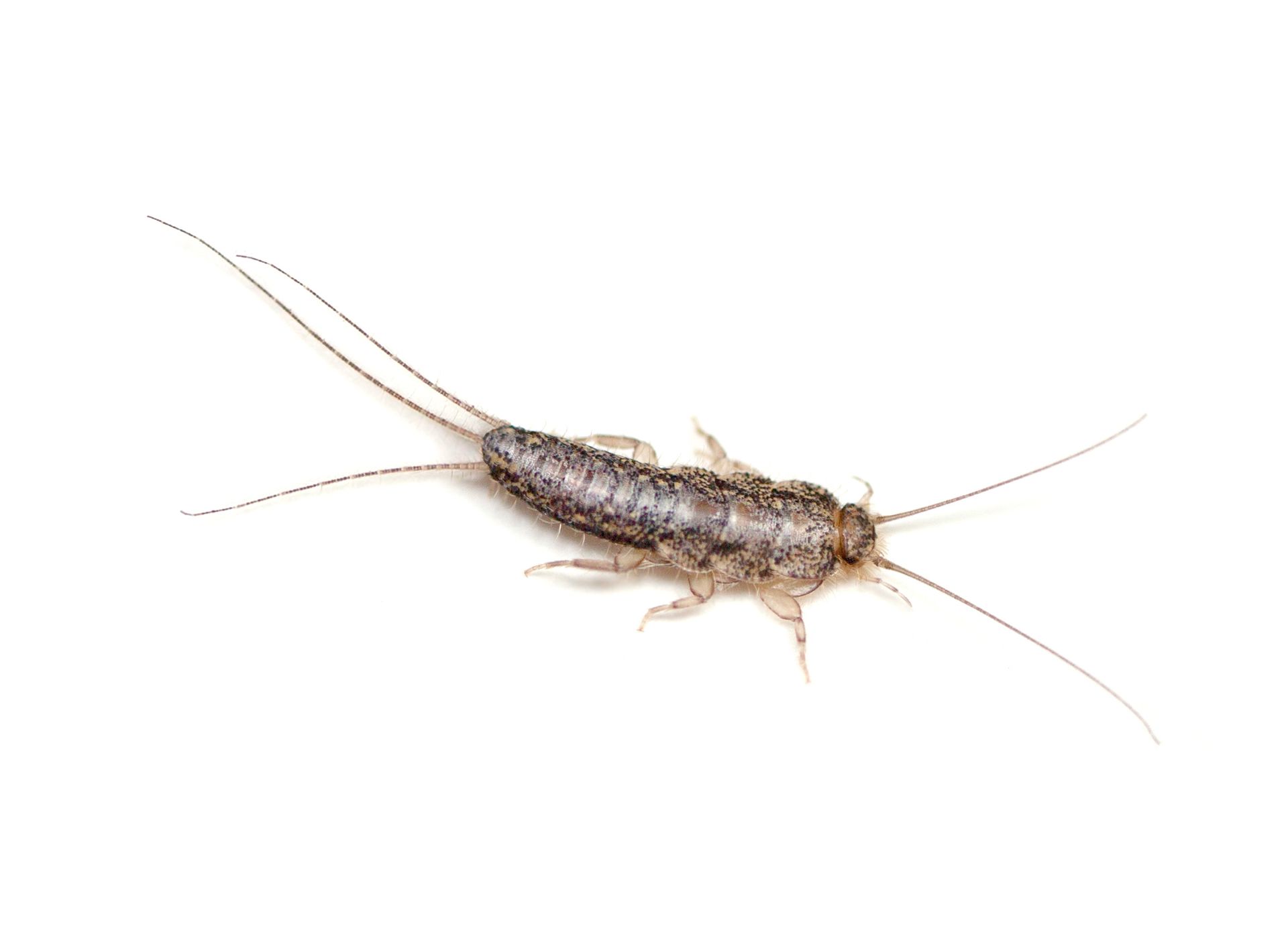
Silverfish are small, wingless, nocturnal insects (approx. 0.5-1 inch)
characterized by a silvery, metallic sheen, fish-like wiggling motion, and
three long tail-like appendages. They are harmless to humans but
destructive household pests, thriving in damp, dark areas like bathrooms,
basements, and kitchens. They feed on starches, sugars, and paper,
damaging books, wallpaper, fabrics, and pantry items.
All service treatments begin with a thorough inspection of the property and pest & rodent infestation. GMC will design a scope of service that tailors to each customers' need. At GMC, we know there is no one size fits all. Every structure and pest & rodent infestations are unique.
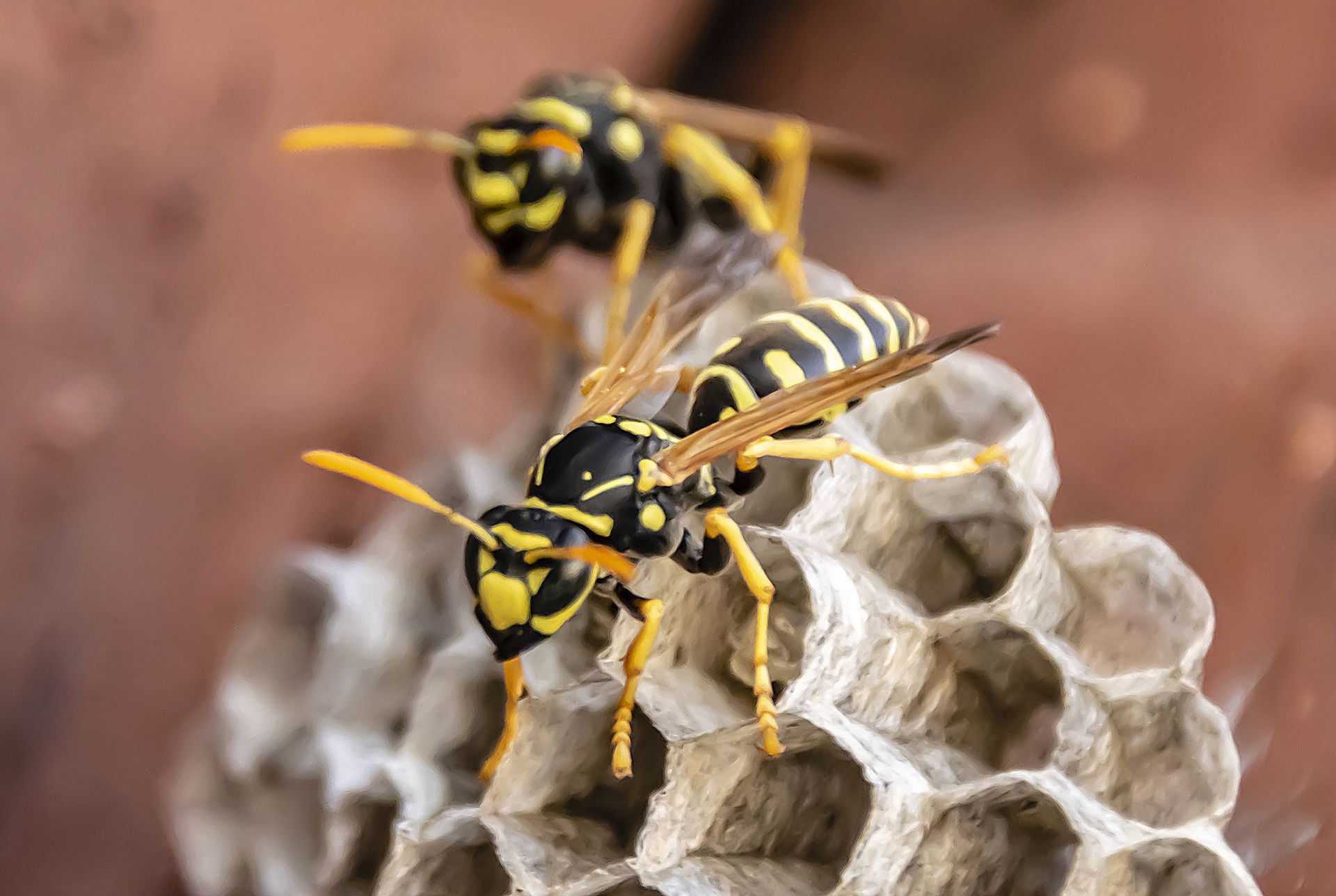
Wasps are a diverse group of over 100,000 species of narrow-waisted stinging insects in the order Hymenoptera, acting as vital, predatory pollinators that control pest populations. They are identified by smooth, slender bodies, two pairs of wings, and a "petiole" waist. While often feared for their ability to sting multiple times, most are solitary and docile, with only social species (e.g., yellowjackets, hornets) acting aggressively to protect nests.
Key Aspects of Wasps
Identification: Unlike hairy bees, wasps have smooth, often shiny bodies and a very narrow, thin waist. They come in colors including black, yellow, red, and metallic blue.
Behavior and Types:
Social Wasps (e.g., Yellowjackets, Hornets): Live in colonies with a queen and worker, and can be aggressive if threatened.
Solidarity Wasps (e.g., Mud Daubers): Live alone and rarely sting.
Parasitoids: Lay eggs in or on other insects, which the larvae eat.
Ecological Role: Wasps are crucial for the ecosystem, acting as natural pest control by feeding on spiders, flies, and caterpillars. They are also pollinators, though less efficient than bees.
Diet: While adults consume nectar and fruit for energy, they are carnivores that bring insects back to feed their larvae.
Stingers: Females have a smooth barbless stinger, allowing them to sting multiple times.
What They Are Afraid Of/Avoid: Wasps generally avoid strong, pungent scents like peppermint oil, eucalyptus, citronella, and spearmint. They are also deterred by smoke and are sensitive to vibrations and rapid, swatting movements, which they perceive as threats.
All service treatments begin with a thorough inspection of the property and pest & rodent infestation. GMC will design a scope of service that tailors to each customers' need. At GMC, we know there is no one size fits all. Every structure and pest & rodent infestations are unique.
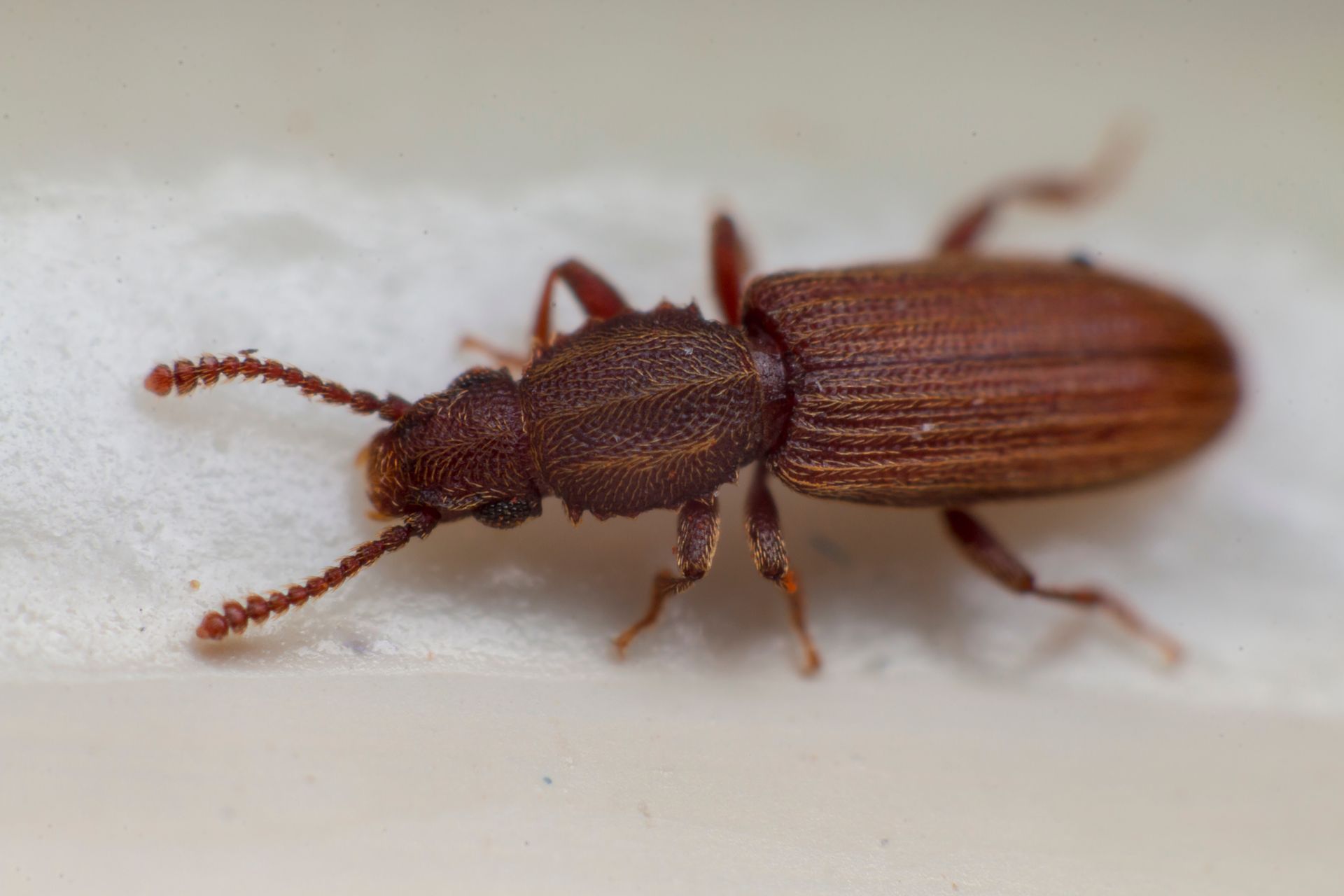
Oryzaephilus surinamensis, commonly known as the sawtoothed grain beetle, is one of the most widespread pests of stored food products globally. Despite its name, it does not attack whole, undamaged grain; instead, it is a "secondary pest" that feeds on broken kernels, processed cereals, and various dried goods.
Identification & Characteristics
Appearance: Adults are tiny, measuring about 2.5 to 3 mm (1/8 inch) long. They have a slender, extremely flattened, dark brown body.
Defining Feature: They are named for the six saw-like teeth or projections on each side of the thorax (the segment behind the head).
Locomotion: While they have wings, they are flightless and move by crawling rapidly.
Similar Species: It is nearly identical to the Oryzaephilus mercator (merchant grain beetle), but can be distinguished by its smaller eyes and the fact that it cannot fly.
Diet and Habitat
These beetles are "pantry pirates" that can infiltrate tightly sealed cardboard and plastic packaging due to their flat profile.
Common Foods: Cereals, flour, pasta, dried fruits, nuts, chocolate, tobacco, and even pet food.
Habitats: They are found in home pantries, grocery stores, food warehouses, and grain elevators.
Lifecycle
The entire lifecycle can be completed in as little as 25 to 30 days under optimal warm conditions (85–95°F).
Eggs: A single female can lay up to 400 eggs directly in food or crevices.
Larvae: Small, yellowish-white grubs that do the most damage by feeding.
Adult Lifespan: Adults are long-lived, typically surviving 6 to 10 months, though some can live up to 3 years.
Control and Prevention
Inspection: Locate and discard all infested food packages immediately.
Sanitation: Vacuum cracks and crevices in pantries to remove food particles and hidden beetles.
Storage: Move uninfested items into airtight glass, metal, or heavy plastic containers.
Temperature: You can kill all life stages by heating products to 140°F (60°C) for 2-3 hours or freezing them at 0°F (-18°C) for at least 48 hours.
All service treatments begin with a thorough inspection of the property and pest & rodent infestation. GMC will design a scope of service that tailors to each customers' need. At GMC, we know there is no one size fits all. Every structure and pest & rodent infestations are unique.
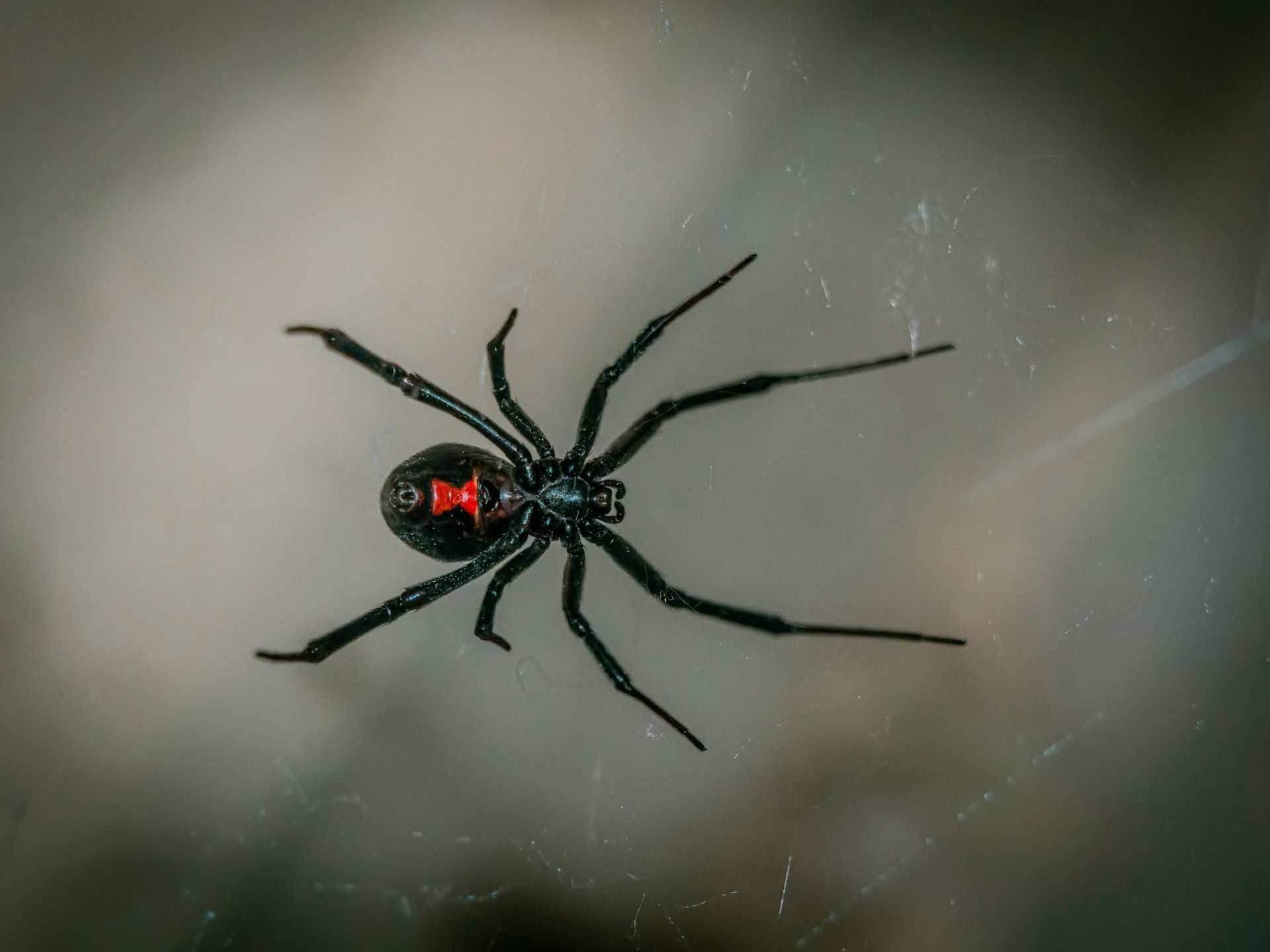
Widow spiders (genus Latrodectus) are a group of roughly 31 to 34 species of venomous spiders found worldwide. They are most famous for the neurotoxic venom of the females and the iconic "hourglass" marking found on many species.
Common Species and Identification
While they vary by region, most widows share a globular abdomen and a reclusive nature.
Western Black Widow (L. hesperus): Found in the western U.S. and Canada; females are shiny black with a red hourglass.
Southern Black Widow (L. mactans): Common in the southeastern U.S.; known for the classic red hourglass on a jet-black body.
Northern Black Widow (L. variolus): Found in the northeastern U.S. and Canada; often has a "broken" hourglass or a row of red spots.
Brown Widow (L. geometricus): An invasive species with mottled tan and brown coloration; they have an orange hourglass and distinctive "spiky" egg sacs.
Red Widow (L. bishopi): Rare, found primarily in Florida sand-pine scrub; features bright red legs and a red-orange marking.
Habitat and Behavior
Webs: They spin irregular, messy "cobwebs" that are exceptionally strong—so strong that the silk was historically used for gun sight crosshairs.
Diet: They are opportunistic predators, primarily eating insects like ants and cockroaches, but occasionally capturing small frogs or lizards.
"Widow" Name: The name comes from the belief that females always eat the male after mating. While this does happen, especially in captivity, many males escape to mate again.
Nesting: They prefer dark, undisturbed areas near the ground, such as woodpiles, garages, meter boxes, and the undersides of outdoor furniture.
Medical Importance
Bites are rare as widow spiders are shy and typically only bite when provoked or pressed against the skin.
Symptoms: A bite can cause latrodectism, characterized by severe muscle cramps (especially in the abdomen), sweating, nausea, and tremors.
Risk: While the venom is a potent neurotoxin, fatalities are extremely rare in healthy adults with modern medical care. Children and the elderly are at higher risk.
Treatment: Immediate first aid includes washing the site and applying a cold pack. Professional treatment may involve pain management or antivenom in severe cases.
All service treatments begin with a thorough inspection of the property and pest & rodent infestation. GMC will design a scope of service that tailors to each customers' need. At GMC, we know there is no one size fits all. Every structure and pest & rodent infestations are unique.
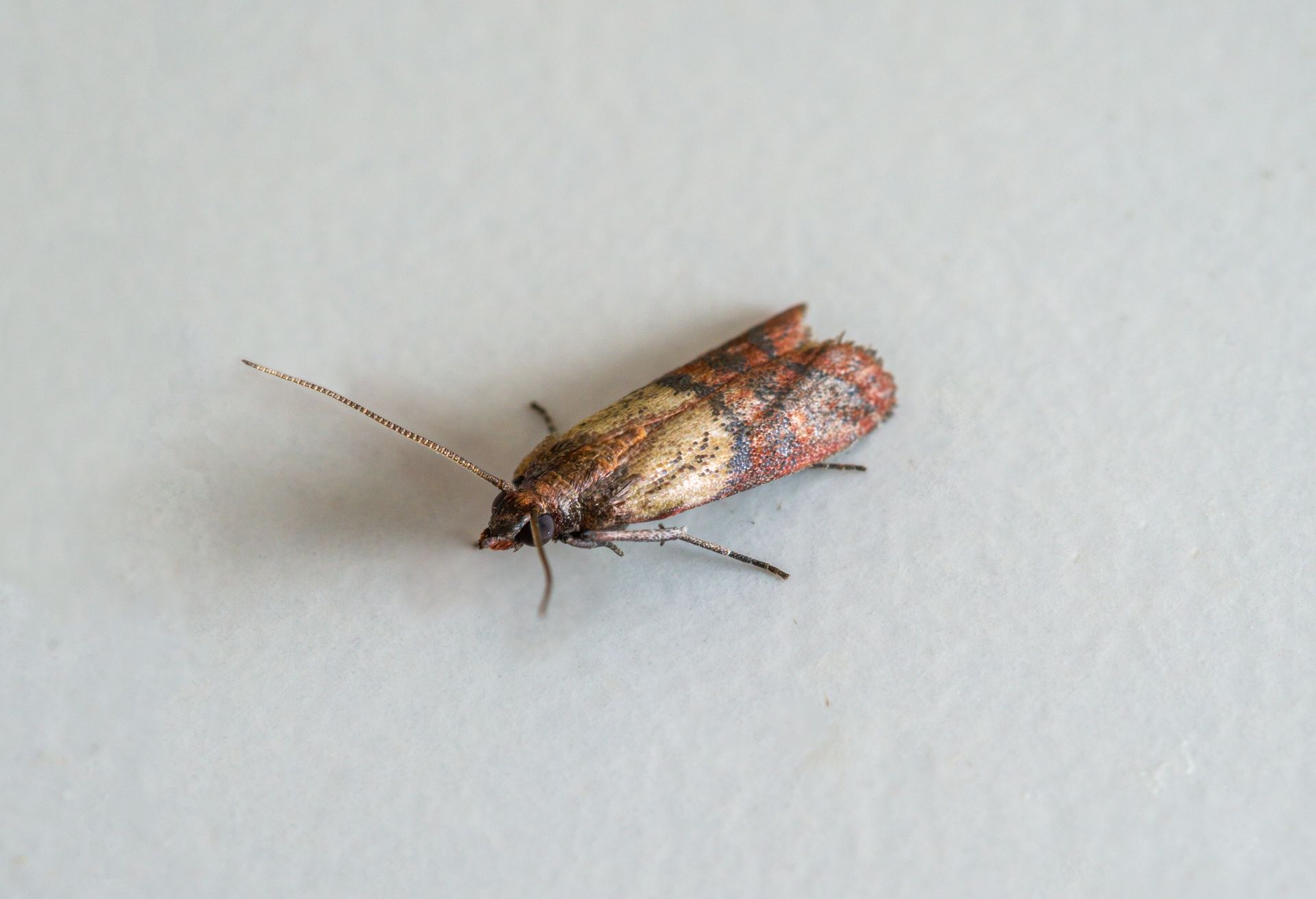
The Indianmeal moth (Plodia interpunctella), also spelled Indian meal moth and Indian-meal moth, is a pyraloid moth of the family Pyralidae. Alternative common names are hanger-downers, weevil moth, pantry moth, flour moth or grain moth. The almond moth (Cadra cautella) and the raisin moth (Cadra figulilella) are commonly confused with the Indian-meal moth due to similar food sources and appearance. The species was named for feeding on Indian meal (the cornmeal and maize flour from maize), with Indian in the New World sense; it does not occur natively in India. It is also not to be confused with the Mediterranean flour moth (Ephestia kuehniella), another common pest of stored grains.
Identification & Characteristics
Appearance: Adults are tiny, measuring about 2.5 to 3 mm (1/8 inch) long. They have a slender, extremely flattened, dark brown body.
Defining Feature: They are named for the six saw-like teeth or projections on each side of the thorax (the segment behind the head).
Locomotion: While they have wings, they are flightless and move by crawling rapidly.
Similar Species: It is nearly identical to the Oryzaephilus mercator (merchant grain beetle), but can be distinguished by its smaller eyes and the fact that it cannot fly.
Diet and Habitat
Plodia interpunctella is found on every continent in tropical habitats, excluding Antarctica.[4] Within the United States, the moth is most commonly found in Florida, where it thrives in the tropical habitat.[3] The moth lives in a wide range of conditions, making it a persistent pest. It is often found at food storage facilities worldwide, specifically in grain bins or grain storage buildings.
Plant-based foods: Moths feed on many plant-based foods including dry pet food (plant based), birdseed, cereal, soup mixes, bread, pasta, rice, flour, spices, dried fruits and nuts. There is strong evidence that the northern Manitoba wheat supports the development of the moth. Other optimal diets include sultanas, American yellow corn and almonds. Groundnuts and maize meal, on the other hand, result in a longer development time for the moths.
Non-plant foods: Indian-meal moths are also known to cannibalize larvae. This often leads to viral granulosis infections spreading through an Indian-meal moth population. Healthy larvae are picked more often than unhealthy larvae for cannibalism.[11] There appears to be no kin discrimination and siblings can be eaten by caterpillars.
Lifecycle
The entire lifecycle can be completed in as little as 25 to 30 days under optimal warm conditions (85–95°F).
Eggs: Usually the life cycle of an Indian-meal moth colony starts in a location where grain is present. The temperature within a grain bin must exceed 50 °F (10 °C). The eggs of the moth are grayish white and have a length between 0.3 and 0.5 millimetres (1⁄64 and 3⁄128 in). Eggs can be laid directly on the food source singly or in groups of between 12 and 30. A mature female may lay between 100 and 300 eggs at a time.
Larvae: Larvae begin to hatch in approximately two to fourteen days. The larvae have between five and seven instars. Newly hatched larvae feed on grain while more mature larvae feed on grain germ. The larvae are an off-white color, but can be pink, brown, or greenish. They are about 12 mm long and have prolegs for movement. Fully-grown larvae are able to spin webs and leave silk threads in their path of travel. Mature larvae that make silk also make threaded cocoons.[.
Adult Lifespan: The pupae are often seen on grain surfaces and on the walls of grain bins. The adults emerge in four to ten days. They then mate and the cycle begins again.[1] The entire life cycle of this species ranges between 30 and 300 days. A typical life cycle is 50 days. Under optimal conditions a life cycle can be as short as 28 days but cooler winter months prohibit this. Seven to nine generations of moths can live in a year..
Control and Prevention
Once all cabinets are emptied
Inspection: Locate and discard all infested food packages immediately.
Sanitation: Vacuum cracks and crevices in pantries to remove food particles and hidden beetles.
Storage: Move uninfested items into airtight glass, metal, or heavy plastic containers.
Temperature: You can kill all life stages by heating products to 140°F (60°C) for 2-3 hours or freezing them at 0°F (-18°C) for at least 48 hours.
All service treatments begin with a thorough inspection of the property and pest & rodent infestation. GMC will design a scope of service that tailors to each customers' need. At GMC, we know there is no one size fits all. Every structure and pest & rodent infestations are unique.
Our Solution for Long-Term Insect Relief
We do more than treat the problem. We build a pest-free plan around your home. We inspect, identify, treat, and prevent future issues. We also share simple steps you can do to keep insects away. We believe pest control works best when the customer and technician act as a team.
Here is how we help you protect your space:
- Ant Control
- Roach Control
- Spider Control
- Flea and Tick Treatments
- Bed Bug Detection and Removal
- Mosquito Control
- Silverfish Control
- Carpet Beetle Treatments
- Moth Control
- Wasp, Bee, and Hornet Services
- Green or Eco-Friendly Treatment Options
- Inspection Services
We also support homes with structural concerns. If insects enter through gaps or damaged areas, we help identify those trouble spots and guide you on the best steps to block them.
Eco-Friendly Options Available
Many families want safer choices. That is why we offer treatments that protect your home without harsh chemicals. These green options work well for homes with kids, pets, or sensitive environments.
Work With a Team That Goes the Extra Mile
Our goal is simple. We want to build a pest-free space you can trust. We stay detailed, we stay trained, and we always go the extra mile for your peace of mind. If you are ready for long-lasting insect relief, call GMC Pest Control at (323) 574 1183 today.